






Finding foolproof endurance training plans for triathlon beginners felt completely impossible when I first signed up for a sprint tri on a dare. Foolproof Endurance Training Plans for Triathlon Beginners I could barely swim two laps without gasping for air, and my longest run was a slow jog around the block. Three months later, I crossed that finish line crying happy tears with a medal around my neck.
Start With a Realistic Baseline Assessment
Before you download any plan or buy a fancy GPS watch, figure out where you actually stand right now. Foolproof Endurance Training Plans for Triathlon Beginners I made the mistake of jumping into a 12-week program when I could not swim 200 meters without stopping. My shoulders screamed by day three, and my ego took an even bigger hit.
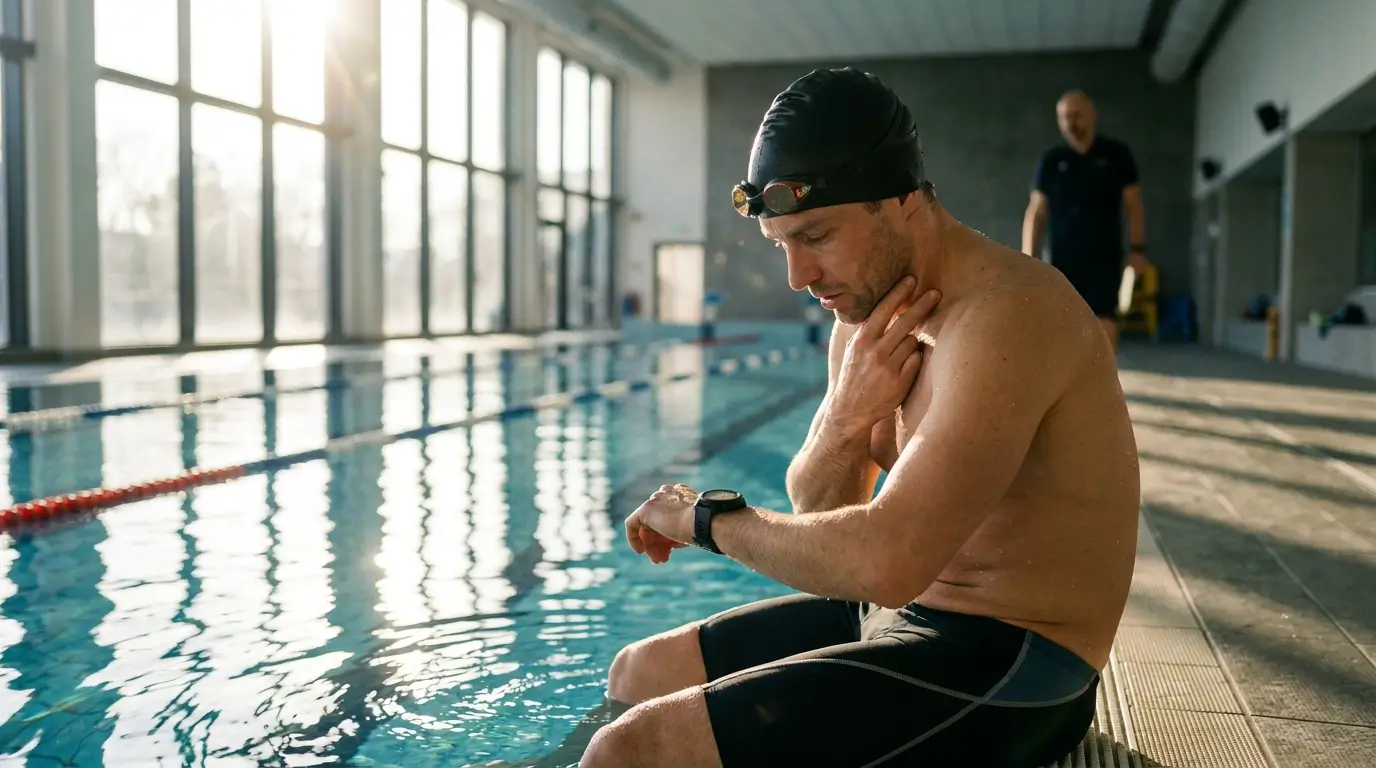
Take one full week to test yourself honestly before you commit to anything structured. Swim as far as you can at a comfortable pace and time yourself. Foolproof Endurance Training Plans for Triathlon Beginners Run or walk for 20 minutes and note how you feel at the end, especially your breathing and leg fatigue. Hop on a bike and ride for 30 minutes at a conversational effort where you could still chat with a friend.
These three numbers become your baseline for everything that follows. Apps like TrainingPeaks or even a simple spreadsheet work fine for tracking your progress. Foolproof Endurance Training Plans for Triathlon Beginners The goal is not to impress anyone or compare yourself to people who have been racing for years. You just need honest data so your plan matches your actual fitness, not the fitness you wish you had. This baseline week might feel humbling, but it saves you from injury and frustration later.
Choose a Sprint Triathlon and Count Back 12 Weeks
A sprint triathlon is your best friend as a first timer because the distances are manageable and the training timeline is realistic. The standard distances are forgiving: usually a 750-meter swim, 20-kilometer bike, and 5-kilometer run.
Also Read: Beginner Friendly Cardio Routines for Casual Runners 2026
I picked a local sprint race about 14 weeks out, which gave me 12 weeks of real training and a two-week buffer for life getting in the way, because something always comes up. Trust me on this. Foolproof Endurance Training Plans for Triathlon Beginners Once you have a race date, mark it on your calendar and count backward in four-week blocks. Weeks one through four focus on building volume slowly and getting comfortable with all three sports.
Weeks five through eight introduce intensity and brick sessions. Weeks nine through ten are your peak training block where the workouts feel the hardest but also the most rewarding. Foolproof Endurance Training Plans for Triathlon Beginners The final two weeks taper you down. This structure keeps things simple and prevents the most common beginner mistake: doing too much too soon and showing up injured on race morning.
Build Your Weekly Schedule Around Three Key Sessions
Your week needs three non-negotiable workouts, one per discipline. Everything else is bonus. I trained four to five days a week, but only three sessions were sacred no matter how busy life got. Foolproof Endurance Training Plans for Triathlon Beginners Monday was a swim at my local YMCA pool, usually 30 to 40 minutes of drills and easy laps focusing on my terrible breathing technique.
Wednesday was a bike ride on my Wahoo Kickr trainer using the Zwift app when the weather was terrible, or outside on quiet roads when it was not. Foolproof Endurance Training Plans for Triathlon Beginners Saturday morning was a run, starting at 20 minutes and building to 40 over the first month at a pace where I could speak in full sentences. The remaining days held optional easy sessions or complete rest.
Rest days are not laziness, no matter what your overly motivated brain tells you. Your muscles rebuild during recovery, not during the workout itself. Foolproof Endurance Training Plans for Triathlon Beginners I skipped rest days early on and paid for it with shin splints that sidelined me for a full week and set my training back even further. Listen to your body and treat rest with the same respect you give your hardest workouts.

Layer in Brick Workouts After Week Four
A brick workout means stacking two disciplines back to back, usually bike to run, and it is the single most important session type for triathlon preparation. Your legs will feel like wet cement the first time you try it, and that is completely normal no matter how fit you are in each individual sport.
I remember stumbling off my bike during my first brick and barely managing a slow shuffle for ten minutes while my calves protested every step. By week eight, that same transition felt almost smooth and my running form came back within the first few minutes. Start with a short brick once a week: a 30-minute ride followed immediately by a 10-minute run right out of your driveway.
Keep the effort easy. The point is teaching your body to switch gears efficiently, not setting personal records. As your fitness improves, extend the run portion to 15 or 20 minutes. Practice your transitions in the driveway too. Fumbling with cycling shoes while your heart rate spikes is a skill you want to rehearse multiple times before race day.
Follow These Foolproof Endurance Training Plans for Triathlon Beginners
If you want a ready-made structure, several proven options exist that take the guesswork out of your schedule. The free 12-week sprint plan on Triathlete Magazine’s website is a solid starting point that I used as a template for my first race.
Coach Joe Friel’s beginner plans in TrainingPeaks are more detailed and cost around $30, which I found worth every penny for the structured progression and built-in rest weeks that kept me from overtraining. The key principle behind all foolproof endurance training plans for triathlon beginners is the 80/20 rule: roughly 80 percent of your training stays at an easy, conversational effort, and only 20 percent pushes into harder zones.
This keeps your body adapting without breaking down under accumulated fatigue. I ignored this rule during my first attempt because I thought harder was always better, and I burned out completely by week six. Stick to easy effort most of the time, and save your hard days for one interval session per week on the bike or run.

Taper Down in the Final Two Weeks
The hardest part of training is doing less when your race is close and your nerves are high. Your brain will tell you that you need one more long ride or one more hard run to feel ready, and the temptation to squeeze in extra miles is real. Ignore that voice.
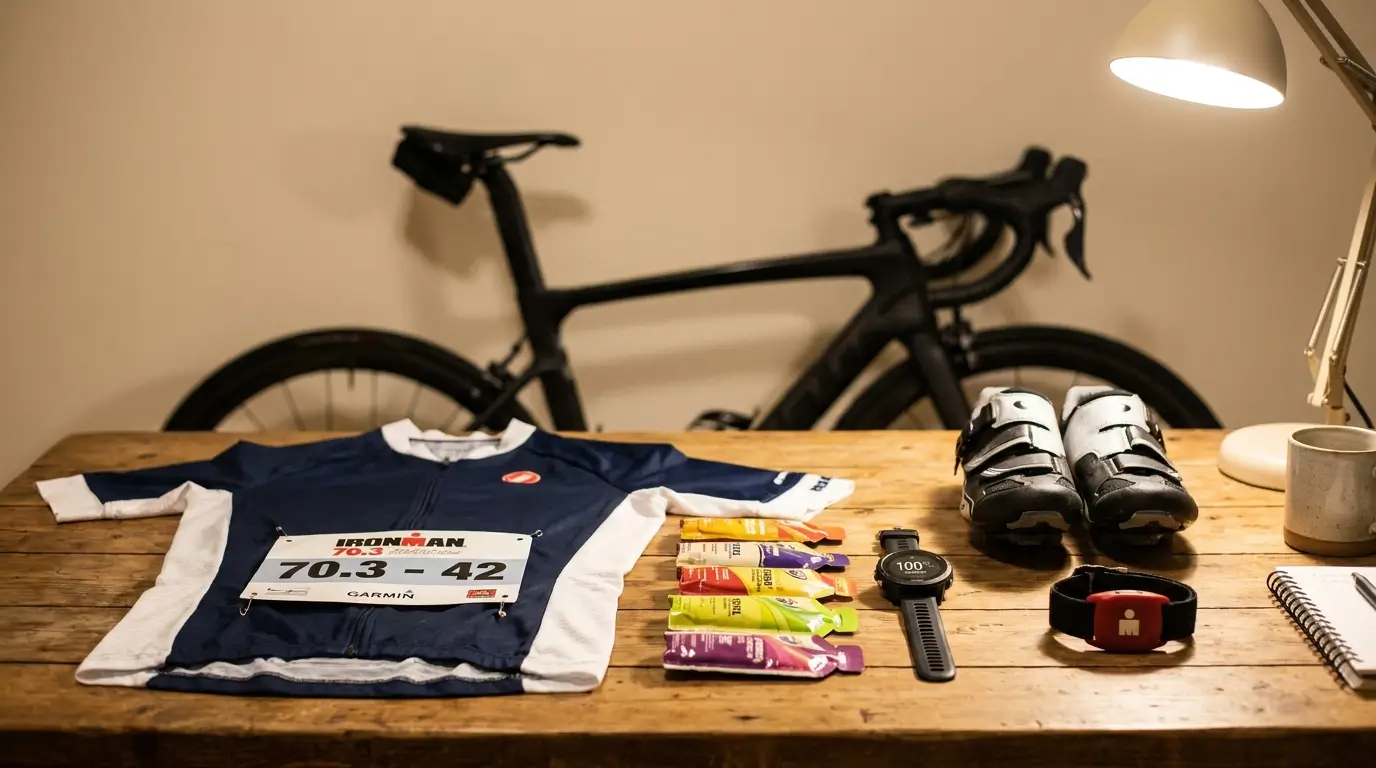
During the final two weeks, cut your total volume by 40 to 50 percent while keeping a few short bursts of race-pace effort to stay sharp and maintain your coordination. I tapered too little before my first race because I panicked about losing fitness, and I showed up with heavy legs that felt like they belonged to someone else entirely. Sleep more, hydrate consistently, and lay out all your gear the night before so you are not scrambling at 5 AM.
Check your bike tires, charge your Garmin watch, and pin your race number to your shirt. The work is already done. These last 14 days are about arriving at the start line fresh, not squeezing in one more workout that will only make you tired.
FAQs
How many days a week should a beginner train for a triathlon?
Most beginners do well with four to five sessions per week, including at least one full rest day. I started with four days and added a fifth easy swim once my body adapted around week three. Quality matters more than quantity at this stage, so do not feel pressured to train every single day just because experienced athletes post about daily workouts online.
Can I use a regular road bike for my first triathlon?
Absolutely. I raced my first sprint on a borrowed aluminum road bike with clip-on aero bars from Amazon that cost about $35. Foolproof Endurance Training Plans for Triathlon Beginners You do not need a dedicated triathlon bike until you decide this sport is a long-term obsession, which might happen faster than you think. A well-fitted road bike with a comfortable saddle works perfectly for sprint and Olympic distances.
What is the best way to improve my swim as a beginner?
Consistent pool time beats any single drill or fancy equipment. I went from barely surviving 100 meters to swimming 750 meters comfortably by hitting the pool three times a week for eight weeks. Focus on breathing technique first, then body position. Foolproof Endurance Training Plans for Triathlon Beginners A few lessons with a local swim coach can save you months of frustration and deeply ingrained bad habits.
How long should my longest run be before race day?
For a sprint triathlon, building up to a 5-kilometer run at an easy pace is plenty. I peaked at about 6 kilometers two weeks before race day, which gave me a confidence boost without overdoing it. Foolproof Endurance Training Plans for Triathlon Beginners Remember that the run comes after the swim and bike, so your legs will already be tired and your race pace will naturally be slower than your standalone training runs.
Do foolproof endurance training plans for triathlon beginners include nutrition guidance?
Most basic plans focus on workouts and leave nutrition up to you, which is a gap I wish someone had warned me about. I learned the hard way that practicing your race-day fueling during long training sessions is critical. Foolproof Endurance Training Plans for Triathlon Beginners Start with simple options like a banana before short sessions and a gel or chews during anything over 90 minutes.
Conclusion
Crossing that finish line changed how I think about what my body can actually do, and I genuinely believe any beginner can get there with a patient, structured approach that respects recovery as much as effort. Foolproof Endurance Training Plans for Triathlon Beginners Start small, stay consistent, and trust the process even when progress feels painfully slow during those early weeks. What race are you thinking about signing up for first?

One comment on “Foolproof Endurance Training Plans for Triathlon Beginners 2026”