








Using quick mobility routines for muscle strain recovery changed how I handle post-workout tweaks and stubborn back spasms. That sudden, sharp twinge usually makes you want to collapse on the couch for three straight days. Quick Mobility Routines for Muscle Strain Recovery Total rest actually leaves you stiffer than before. Gentle, targeted movement gets fresh blood into angry tissues, calms nervous spasms, and restores range of motion without causing extra pain.
The Ground Rules for Moving Strained Tissue
Starting mobility work too aggressively can tear healing fibers and set you back weeks. You must understand the difference between therapeutic discomfort and sharp structural pain before you begin any movement sequence. Quick Mobility Routines for Muscle Strain Recovery Therapeutic discomfort feels like a dull stretch or warmth spreading across a stiff area. Sharp pain signals immediate tissue defense, meaning you must pull back right away.
Also Read: Easy Conditioning Routines for Recreational Swimmers 2026
Keep your breathing slow, rhythmic, and belly-focused throughout every exercise. Quick Mobility Routines for Muscle Strain Recovery When you hold your breath, your nervous system interprets that tension as a threat and locks your muscles down even tighter. Aim for a maximum pain score of three on a ten-point scale. Stay completely inside a pain-free perimeter, moving slowly into gentle resistance and backing away smoothly.
Never bounce or force an end-range stretch when nursing a fresh tear or pull. Use continuous, active dynamic range rather than static holds so that your muscles contract lightly and relax in rhythm. Quick Mobility Routines for Muscle Strain Recovery This pumping action clears metabolic waste and encourages collagen alignment along the natural lines of strain.

Five Quick Mobility Routines for Muscle Strain Recovery
Structuring your daily sessions around specific movement zones makes relief predictable and simple to maintain. Quick Mobility Routines for Muscle Strain Recovery Rather than doing random stretches whenever you remember, run through these dedicated sequences once in the morning and once before bed.
The Lower Back and Hip Reset
Tight hip flexors and locked glutes frequently trigger lower back spasms after heavy lifting or long desk shifts. Quick Mobility Routines for Muscle Strain Recovery Begin on all fours on a comfortable mat, dropping back into a wide-knee child’s pose to decompress your lumbar spine. Shift forward into a gentle tabletop position, then extend one leg back to activate your glute while maintaining a flat spine.
Transition into a 90-90 hip shift on the floor. Sit upright with your knees bent at ninety-degree angles, one in front and one to the side, then smoothly rotate your knees across the center to the opposite side. This movement lubricates the hip capsules without torque on the lower spine. Quick Mobility Routines for Muscle Strain Recovery Move through eight slow repetitions per side, exhaling as your knees touch the ground.
Finish with gentle cat-cow oscillations, focusing specifically on moving one vertebra at a time. Quick Mobility Routines for Muscle Strain Recovery If arching upward pinches your lower back, reduce the range and focus entirely on rounding your mid-back toward the ceiling.
Neck and Upper Back Tension Flow
Poor posture and sudden overhead pulls often leave the trapezius and levator scapulae muscles locked in defense mode. Quick Mobility Routines for Muscle Strain Recovery Stand or sit tall on a firm chair with your feet flat on the floor. Drop your chin toward your sternum, feeling a mild stretch along the base of your skull, then roll your ear slowly toward your right shoulder.
Trace half-circles across your chest rather than rolling your head backward, which can compress delicate cervical joints. Quick Mobility Routines for Muscle Strain Recovery Once your neck feels slightly looser, slide onto your side for thoracic open-book rotations. Stack your knees at hip height, reach both arms forward on the floor, and peel your top arm open like a book cover across your chest.
Follow your moving hand with your eyes to encourage full spinal rotation through your rib cage. Quick Mobility Routines for Muscle Strain Recovery Performing quick mobility routines for muscle strain recovery in the thoracic spine immediately reduces the workload on your overworked neck muscles. Complete ten smooth sweeps on each side, pausing for one deep breath at the open position.

Hamstring and Calf Mobility for Leg Strains
Rushing back into running after a hamstring or calf tweak is the easiest way to reinjure yourself. Start your leg rehabilitation in an open space with a soft yoga strap or a long bath towel looped around the ball of your foot. Quick Mobility Routines for Muscle Strain Recovery Lie flat on your back and slowly lift the injured leg toward the ceiling using the strap, stopping the moment you feel tension.
Point and flex your toes at the top of the range for ten slow counts. Quick Mobility Routines for Muscle Strain Recovery This ankle pump glides the sciatic nerve through the posterior chain, breaking up micro-adhesions without tearing muscle tissue. Lower the leg carefully and switch to slow bodyweight calf rockers. Stand next to a wall for support, rocking from your heels up onto your toes with steady control.
Shift your weight gradually between both legs, never forcing the injured side to bear sudden shock. Consistent practice of these gentle movements restores elasticity to tight tendons and accelerates tissue repair far better than aggressive stretching.
Shoulder and Chest Opening Sequence
Rotator cuff tweaks and pectoral strains can turn simple daily tasks into frustrating hurdles. Quick Mobility Routines for Muscle Strain Recovery Stand in a standard doorway with your forearm resting against the doorframe at a ninety-degree angle. Step forward slightly with one foot until you feel a gentle opening across the front of your shoulder and chest.
Hold this position without forcing the joint, breathing deeply into your ribs for five full breath cycles. Quick Mobility Routines for Muscle Strain Recovery Step back, lower your arm, and transition into wall slides to activate the serratus anterior and lower trapezius. Stand with your back, head, and elbows touching a flat wall, sliding your forearms up overhead in a smooth “W” to “Y” pattern.
Only slide as high as you can without arching your lower back away from the wall. If reaching upward pinches the front of your shoulder, widen your hand spacing slightly to clear the subacromial space.
Tools That Amplify Muscle Strain Mobility
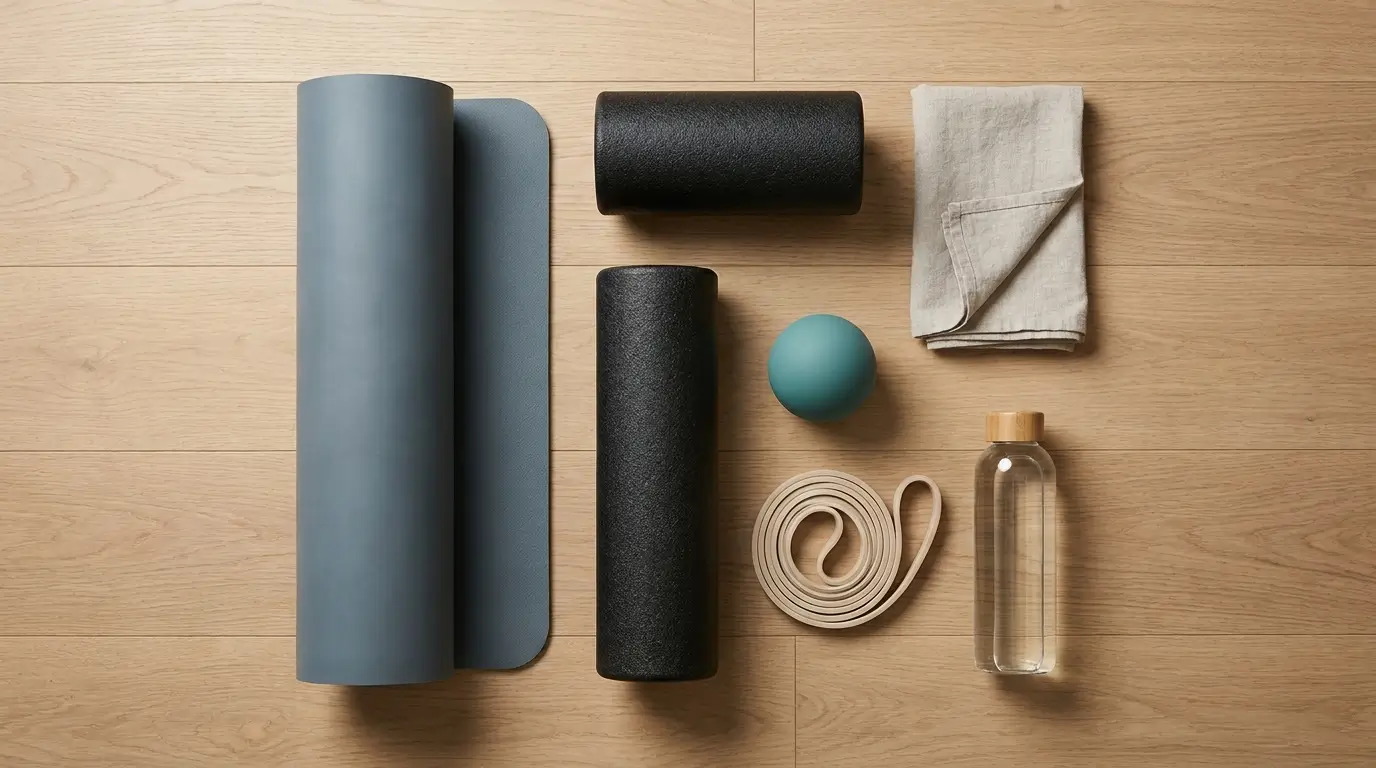
Targeted recovery gear can amplify the benefits of your daily movement sessions when applied with care. A standard high-density foam roller or a smooth lacrosse ball allows you to perform gentle self-myofascial release on stubborn trigger points before you begin moving.
Place the ball against the meaty part of your glute or upper back while leaning against a wall, controlling the pressure with your body weight. Quick Mobility Routines for Muscle Strain Recovery Avoid rolling directly over bone, acute bruising, or sharp tears. Spend sixty to ninety seconds rolling the tissues surrounding the injury rather than mashing the injured spot itself.
Light resistance bands also provide smooth, accommodating resistance that awakens stabilizing muscles without overloading them. Hook a light band around a sturdy door handle for gentle external shoulder rotations or banded hip distractions. IMO, spending ten dollars on a simple resistance band set delivers more practical recovery value than any expensive massage gun on the market.
How to Safely Progress Your Movement Load
Knowing when to increase movement intensity protects you from aggravating a fresh strain just as it starts feeling better. Quick Mobility Routines for Muscle Strain Recovery Keep an honest training log where you track morning stiffness levels and range of motion daily. If your muscles feel significantly tighter the morning after a mobility session, you pushed past your threshold and must reduce the intensity.
Increase your range of motion first, then gradually add repetitions, and only add external resistance as the final step. Quick Mobility Routines for Muscle Strain Recovery When practicing quick mobility routines for muscle strain recovery, consistency beats aggressive effort every single time. Spend five to ten focused minutes twice a day rather than grinding through an exhausting thirty-minute session that leaves you sore.
Incorporate light walking immediately after each routine to encourage systemic circulation and reinforce healthy movement patterns. Quick Mobility Routines for Muscle Strain Recovery The human body adapts remarkably fast to gentle, frequent signals of safety and function.
Daily Habits That Support Tissue Healing
Mobility routines work best when paired with basic biological support systems. Hydration plays a massive role in tissue pliability, as dehydrated fascia becomes brittle and prone to micro-tears during movement. Quick Mobility Routines for Muscle Strain Recovery Drink plenty of water throughout the day and consider adding a pinch of unrefined salt or electrolytes to replenish cellular fluid balance.
Sleep provides the hormonal foundation for muscular repair and nervous system recovery. Aim for seven to nine hours of quality sleep each night, sleeping in neutral spinal positions that avoid placing prolonged traction on strained muscles. FYI, sleeping with a pillow between your knees can drastically reduce lower back and hip tension overnight.
Fuel your recovery with adequate protein and anti-inflammatory whole foods like wild fish, berries, and leafy greens. Your body requires raw amino acids and micronutrients to rebuild damaged muscle strands into strong, pliable fibers.

Frequently Asked Questions
How soon can I start quick mobility routines for muscle strain recovery?
You can usually begin gentle mobility within 24 to 48 hours after a mild strain, once acute swelling subsides. Always stay within a pain-free range of motion. If moving causes sharp, stabbing sensations, rest an extra day and consult a physical therapist before trying again.
Should I stretch a strained muscle if it feels extremely tight?
Aggressive static stretching can pull apart healing muscle fibers and worsen your injury. Instead of forcing a deep stretch, perform gentle dynamic movements that contract and relax the surrounding muscles. This approach improves blood flow and relaxes muscle tone without overstressing damaged tissue.
Is heat or ice better before doing mobility exercises?
Apply mild heat for ten to fifteen minutes before your mobility routine to increase local blood flow and loosen stiff fascia. Save ice for the first day or two of acute injury when throbbing swelling needs management, but avoid icing right before movement sessions.
How many times a day should I perform these mobility routines?
Two short sessions per day, lasting five to eight minutes each, produce the best recovery results. Performing light mobility in the morning relieves overnight stiffness, while an evening session unwinds tension accumulated throughout the day. Avoid overworking the muscle with long, fatiguing sessions.
Can mobility work prevent future muscle strains?
Consistent mobility routines build joint resilience, improve tissue elasticity, and correct muscular imbalances that lead to overload injuries. When your joints move freely through their full intended range, your primary muscles absorb daily physical stress properly, significantly reducing the likelihood of recurring strains.
Conclusion
Muscle strains feel frustrating, but smart and gentle movement gets you back on your feet faster than lying still. Listen closely to your body, respect your pain boundaries, and let consistent daily mobility do the heavy lifting for your recovery. Which routine are you going to test out first?



One comment on “Quick Mobility Routines for Muscle Strain Recovery 2026”