







Finding affordable mobility programs for chronic back pain felt impossible when every physical therapy visit cost me fifty dollars out of pocket. Affordable Mobility Programs for Chronic Back Pain My lower back constantly throbbed from sitting at a desk, leaving me stiff, cranky, and exhausted before noon. Cheap digital routines saved my spine and wallet. Daily joint movement should never demand a second mortgage just to help you feel normal in your body.
Why Affordable Mobility Programs for Chronic Back Pain Beat Gym Memberships
Commercial gyms charge sixty dollars a month for rows of stationary bikes and fancy weight machines that do nothing for a compressed lumbar spine. Affordable Mobility Programs for Chronic Back Pain When you struggle with chronic soreness, random gym machines usually make things worse because they isolate muscles instead of teaching your joints to work together. Digital movement routines give you targeted spinal decompression drills right on your living room rug.
Also Read: Low Cost Fitness Plans for Knee Injury Recovery 2026
You do not need heavy iron or expensive pilates reformers to regain pain-free movement. Most online programs cost less than twenty dollars a month, or charge a single one-time fee for lifetime access. Affordable Mobility Programs for Chronic Back Pain That gives you structured daily guidance for pennies per session, allowing you to build lasting hip flexibility and core control without dreading a recurring monthly subscription bill.

Foundation Training Streaming
Dr. Eric Goodman created this system specifically to treat his own severe spinal disc herniations without invasive surgery. Affordable Mobility Programs for Chronic Back Pain The entire program centers on the founder pose and posterior chain activation. Instead of pulling your spine into forced stretches, it teaches your glutes, hamstrings, and lower back muscles to hold tension together so your lumbar spine decompresses naturally. I use the basic twelve-minute session three mornings a week whenever my lower back feels pinched.
This program is best for desk workers who suffer from slouched posture and direct spinal compression. The honest trade-off is muscular fatigue. Affordable Mobility Programs for Chronic Back Pain The postures burn your hamstrings intensely, and the hinge mechanics feel awkward during your first two weeks of practice.
GMB Fitness Elements
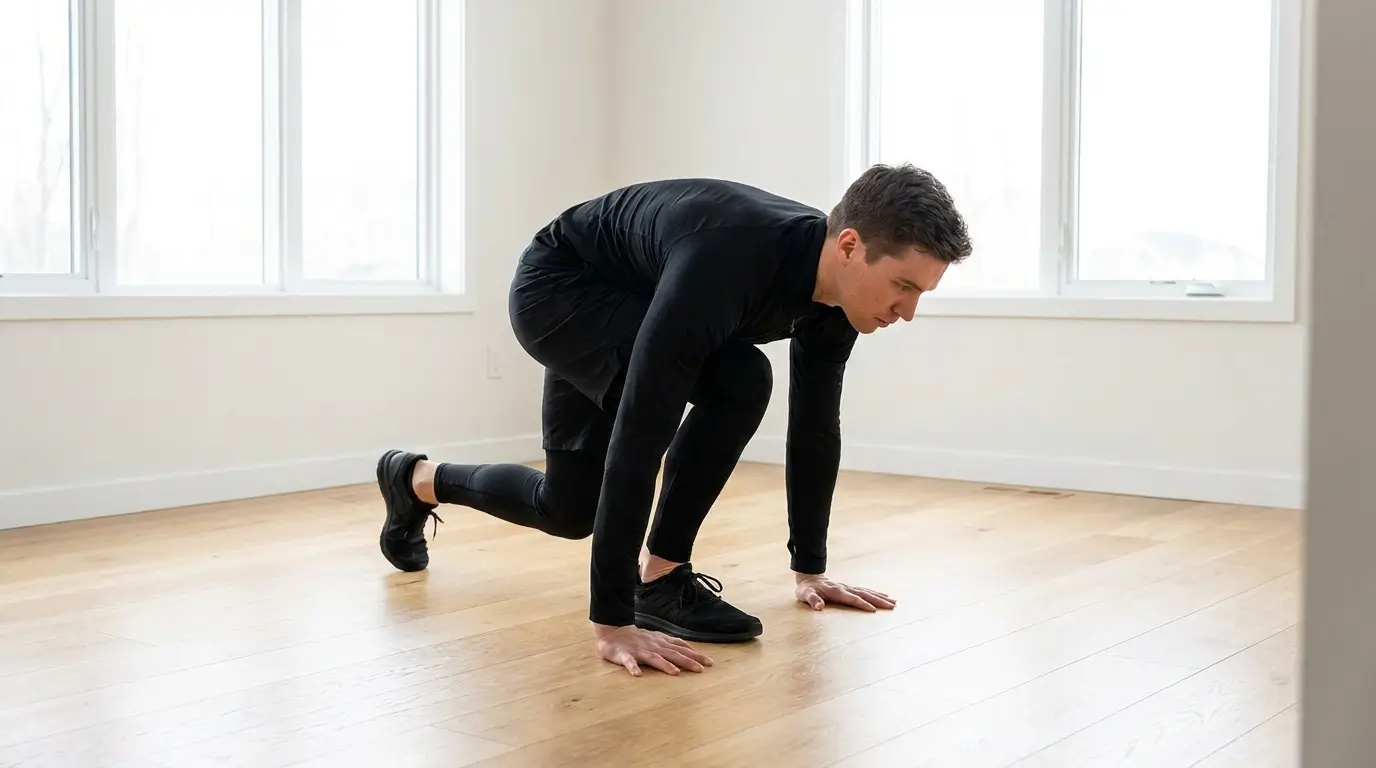
Floor-based locomotive movements like bear crawls and frogger hops sound childish until you try them with tight hip flexors. GMB Elements focuses on three simple movement patterns: the bear, monkey, and frogger. Affordable Mobility Programs for Chronic Back Pain These animal movements gently stretch tight hips, open up the thoracic spine, and rebuild trust in your body through continuous ground interaction. You pay a single upfront price for lifetime access, making it far cheaper over time than recurring monthly apps.
This system is best for anyone tired of boring static stretches who wants to build functional flexibility across their entire lower body. The main drawback is upper body strain. Affordable Mobility Programs for Chronic Back Pain The tutorials require decent wrist and shoulder tolerance, so you must modify the ground work if your wrists get sore easily.
Tom Morrison Simplified Movement Method
Tom Morrison strips away complicated fitness terminology and gives you straightforward, no-nonsense movement tests. His Simplified Movement Method starts with an honest self-assessment to identify whether your back aches stem from stiff ankles, locked hips, or weak glutes. Affordable Mobility Programs for Chronic Back Pain You then receive targeted corrective drills that fit into fifteen-minute daily blocks. I love that he focuses on joint capacity rather than forcing people into aggressive yoga poses.
His platform costs around fifteen dollars a month, making it one of the most reliable affordable mobility programs for chronic back pain on the market today. Affordable Mobility Programs for Chronic Back Pain It is best for lifters, runners, and everyday workers who want clear mobility benchmarks without pseudo-science. The honest downside is the video production, which is simple and bare-bones compared to glossy fitness apps.
Down Dog App Restorative Track
Many yoga apps throw high-speed flow sequences at you that aggravate an already irritated lower back. Down Dog takes the opposite approach by letting you completely customize every single workout. Affordable Mobility Programs for Chronic Back Pain You can select the gentle or restorative practice mode, choose a ten-minute length, and specifically set the primary boost to lower back, hip, or hamstring flexibility.
The voice guidance is remarkably clear, and the yearly subscription frequently goes on sale for around thirty-five dollars. It is best for budget-conscious movers looking for calming, highly customizable restorative stretching before bed. The downside is the lack of direct strength integration, meaning you will need separate exercises to build active spinal stability over time.
Rehab Science Online Protocol
Dr. Tom Walters shares clinical-grade physical therapy drills through an exceptionally organized digital library. His protocols treat back pain by systematically addressing tissue tolerance, pelvic control, and spinal flexion. Rather than offering vague stretches, each video explains the exact biological reason for an exercise and how to modify the angle if pain strikes.
You can access many of his core routines for free on social platforms or buy his master digital guide for a modest one-time fee. This program is best for analytical people who want clear anatomical reasons behind their daily rehabilitation exercises. The trade-off is the delivery style, as the anatomical breakdowns can feel a bit dry if you just want quick movement cues.
The Ready State Virtual Mobility Coach
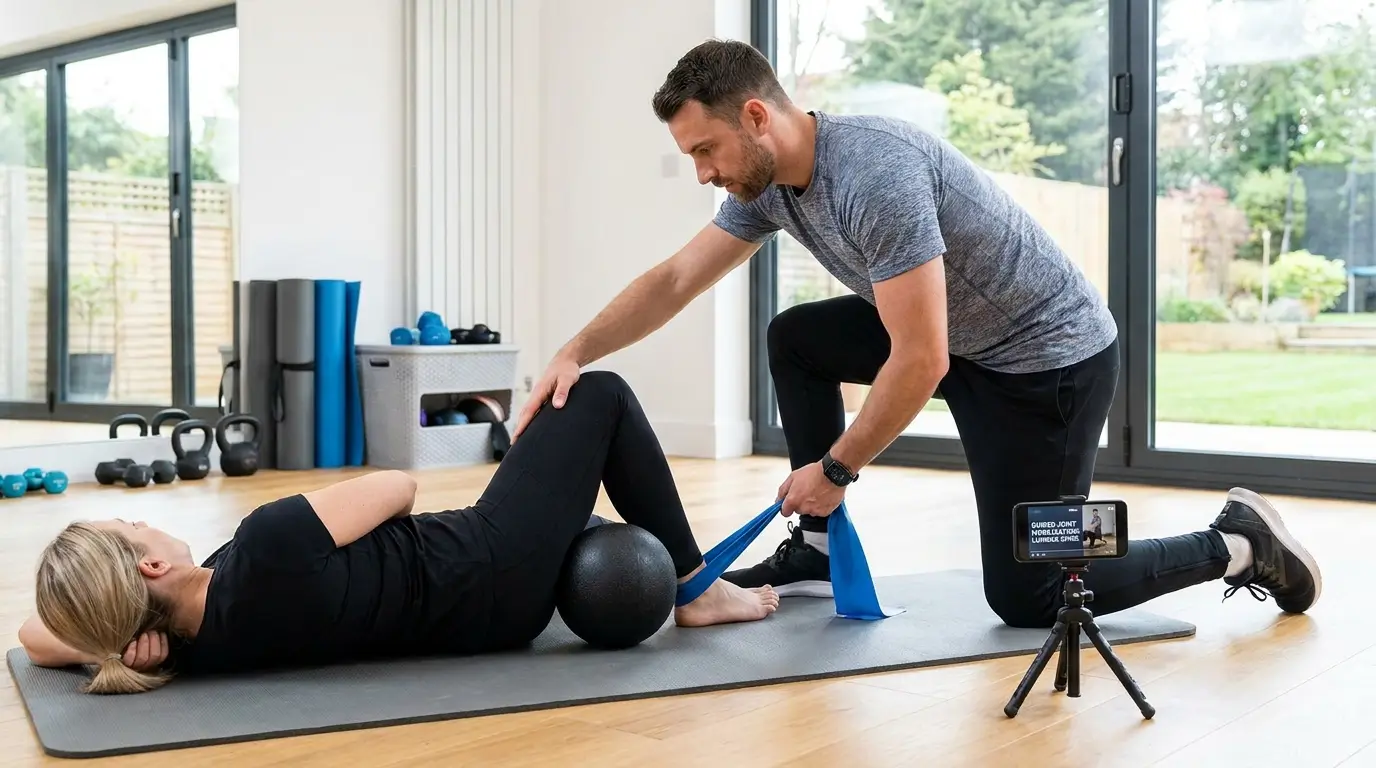
Kelly Starrett pioneered modern soft-tissue work, and his app delivers daily customized joint mobilizations based on your exact pain points. You simply open the app, tap your lower back on an interactive body map, and select how many minutes you have available. The video player immediately cues a targeted routine using simple tools like a tennis ball and resistance band.
While the monthly subscription is around fourteen dollars, the sheer depth of targeted joint mobilization sequences makes it worth the investment for chronic sufferers. It is best for active individuals seeking precise soft-tissue release alongside targeted mobility drills. The trade-off is equipment, since you need basic massage balls and resistance bands at home to perform the routines properly.
Choosing the Right Low-Cost Back Routine
Jumping between different apps every four days ruins your progress and leaves your back muscles constantly irritated. When selecting among affordable mobility programs for chronic back pain, choose a format that matches your daily schedule. Pick one program and commit to fifteen minutes every single day for at least four weeks before evaluating results.
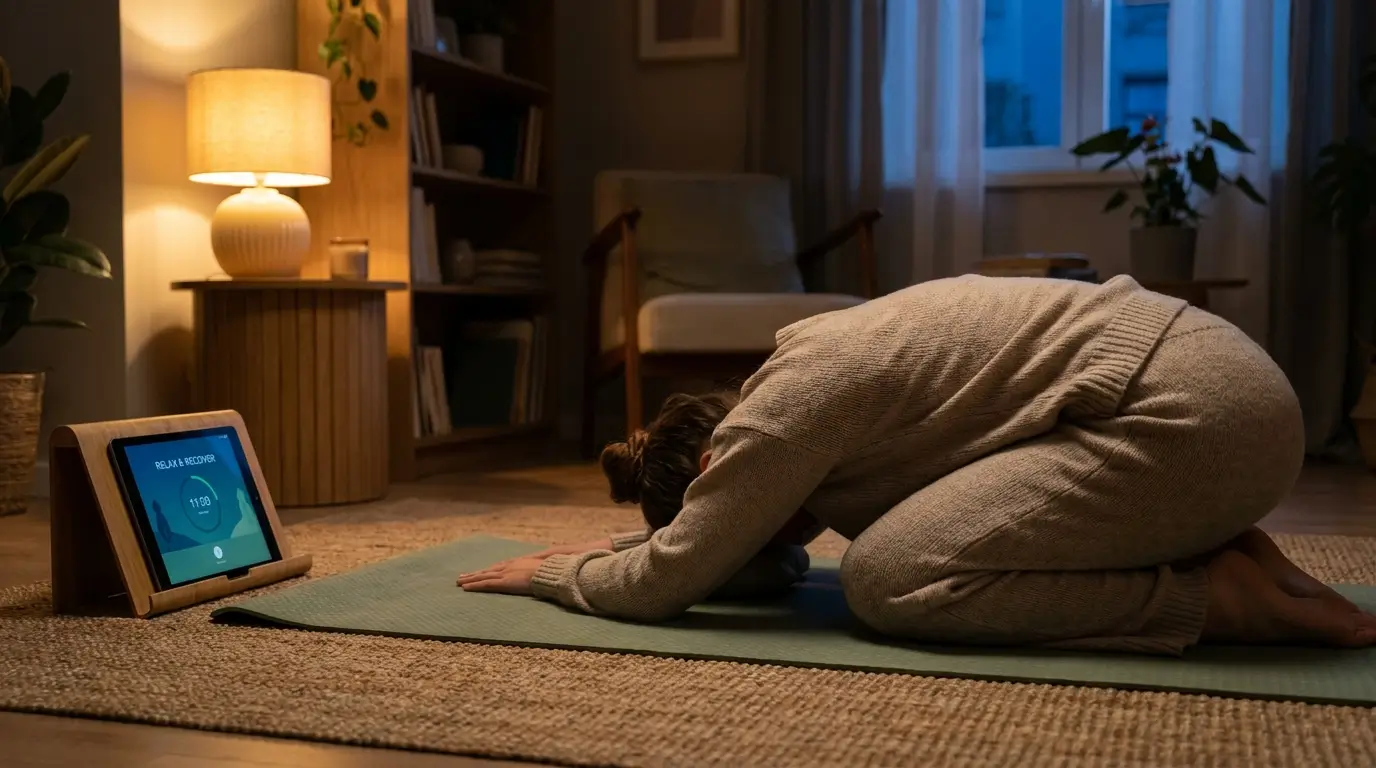
Listen to your body and never push through sharp nerve sensations or shooting sciatica symptoms. Consistency always outperforms intensity when you want to calm inflamed tissues and restore healthy spinal lubrication. Investing in simple daily movement will always yield better long-term spinal health than expensive temporary gadgets.
Frequently Asked Questions
How often should I do mobility work for lower back pain?
Practice your routine five to six days per week for ten to twenty minutes per session. Short, frequent bouts of gentle movement keep synovial fluid flowing through your spinal joints and prevent stiffness. Long, exhausting weekend sessions often overload sensitive back tissues and stall your overall recovery progress.
Can affordable mobility programs for back pain replace physical therapy?
Low-cost digital programs work wonders for general muscle stiffness, posture correction, and mild chronic discomfort. However, you should consult a licensed physical therapist or physician first if you experience numbness, radiating leg pain, or sudden weakness. Digital routines excel at daily maintenance after ruling out serious structural injuries.
What equipment do I need for home mobility routines?
You only need a firm floor, an inexpensive yoga mat, and a standard tennis ball or lacrosse ball. Some programs use light resistance bands or yoga blocks, but you can easily substitute those with household items like rolled towels or sturdy books when starting out on a tight budget.
Why does my back feel tighter after doing mobility exercises?
Soreness usually happens when you force a joint past its active range or stretch an already overstretched, weak muscle. Focus on gentle decompression and active core engagement rather than aggressive static bending. If a specific movement triggers protective muscle spasms, reduce the range of motion immediately.
How long does it take to see pain relief from mobility training?
Most people notice reduced morning stiffness within two to three weeks of consistent daily practice. True structural improvements and lasting pain relief typically emerge around the eight-week mark as your supportive core and hip muscles adapt. Patience and steady consistency matter far more than rapid progress.
Conclusion
Rebuilding a resilient, pain-free back does not require an expensive clinic membership or complicated gym machines. Affordable Mobility Programs for Chronic Back Pain Consistent daily movement using well-designed, low-cost routines gives your spine the exact stability and decompression it craves. Which of these mobility routines are you excited to try first?



One comment on “Affordable Mobility Programs for Chronic Back Pain 2026”