






Finding easy stretching routines for tight hip flexors became my top priority the moment standing up from my office chair felt like unfolding a rusty lawn chair. Sitting eight hours a day glued to a screen shortens your psoas muscles until your lower back screams. You do not need an hour of pretzel yoga to fix this stiff mess. A few smart daily movements make an immediate difference.
Why Sitting Locks Up Your Psoas and Pelvis
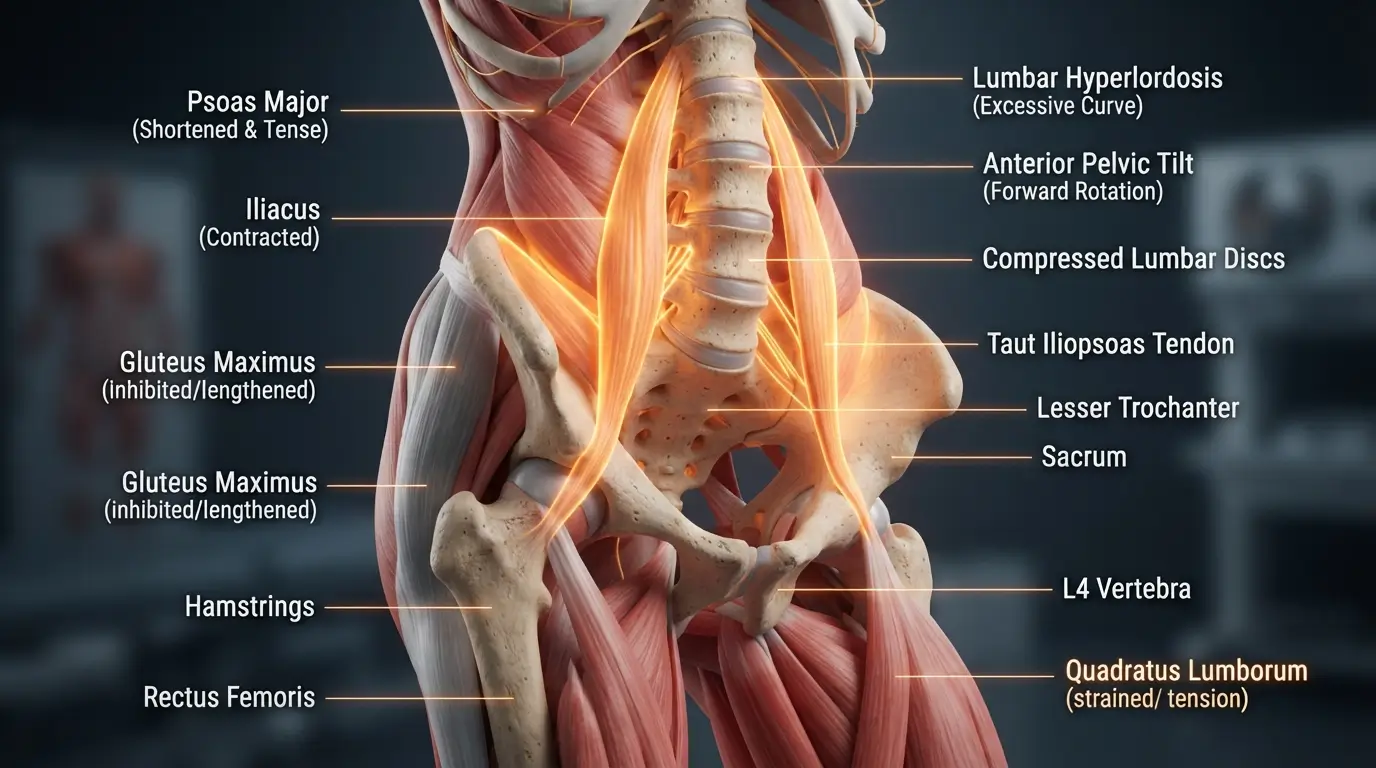
Your hip flexors are a group of several interconnected muscles, including the psoas major and iliacus, connecting your lower spine and pelvis to your thigh bones. When you sit in an office chair, your legs remain bent at a ninety-degree angle for hours at a time. This seated posture keeps those tissues in a shortened position throughout the day. Over weeks and months, your body adapts to this folded shape, leading to an anterior pelvic tilt, where the front of your pelvis spills downward and pulls on your lumbar vertebrae.
Most people assume their nagging lower back ache requires endless spine treatments when the real issue sits right on the front side of their hips. When the psoas remains tight, it yanks forward on your spine every single time you stand up straight. I spent months treating my lower back with heating pads before realizing my hips caused the trouble. Releasing these front-body tissues restores normal pelvic alignment and removes that constant, dull pressure on your lower back.
Phase 1: Preparing the Hips with Dynamic Movement
Cold muscles resist stretching, which is why dropping straight into deep floor holds often causes groin pinches or knee strain. Starting with dynamic mobility warms the joint fluid and signals your nervous system that it is safe to lengthen those stiff fibers. Spend two minutes doing standing leg swings front to back, keeping your torso tall and moving only from the hip joint rather than swinging your spine. Follow that with gentle standing hip circles, making wide, controlled loops as if spinning a hula hoop.
Also Read: Top Rated Mobility Exercises for Aging Joints 2026
Another great pre-stretch move is the quadruped rock. Get down on all fours with your hands under your shoulders and your knees under your hips. Slowly rock your hips back toward your heels, pause for a second, and return smoothly to the starting position. This simple flow wakes up the hip capsules without forcing any aggressive end-range positions. Dedicating just two minutes to these active movements prepares your body for deeper stretches and prevents annoying muscle twitches later.
Phase 2: The Half-Kneeling Hip Flexor Stretch Done Right
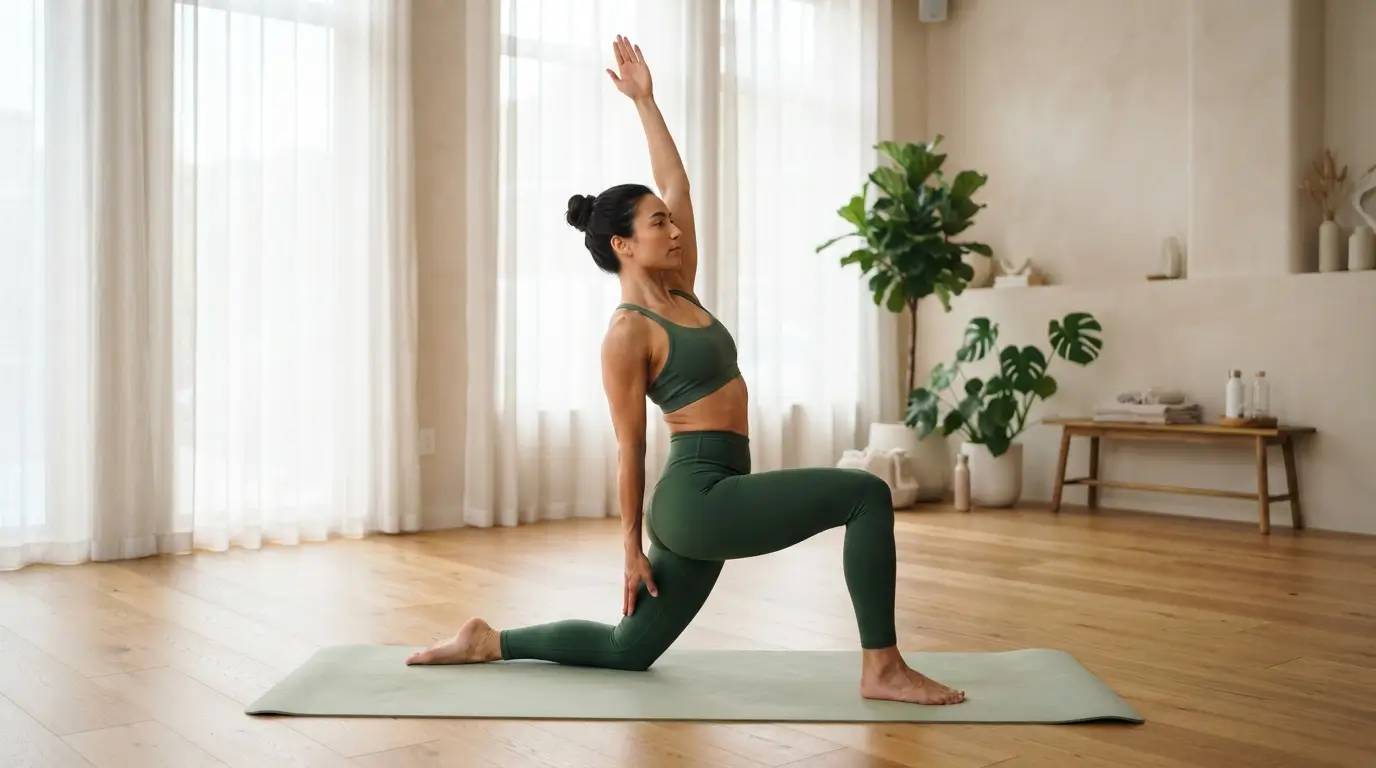
Kneeling lunges look straightforward, yet almost everyone performs them incorrectly by arching their back and lunging too far forward into the front knee. Place your right knee on a padded surface, such as a folded Manduka yoga mat, and step your left foot forward so both knees form clean ninety-degree angles. Instead of shoving your hips forward, tuck your tailbone underneath you. This subtle movement creates a posterior pelvic tilt, instantly isolating the psoas without putting shear stress on your lower back.
Once you set that pelvic tuck, squeeze your right glute as hard as you can. You will feel an intense, focused stretch running down the front of your right thigh and hip with barely any forward movement. Hold this position for thirty seconds while taking slow, calm breaths through your nose. If you want a deeper sensation, raise your right arm straight overhead and lean gently to the left side. Switch legs and repeat twice on each side. Doing easy stretching routines for tight hip flexors with proper form delivers ten times better results than sloppy lunging.
Phase 3: Deep Lying and Prone Stretches on the Floor
Moving to the floor removes the balance requirement and allows your nervous system to relax deeper into the stretch. The modified couch stretch is easily the most effective tool for targeting both the upper hip flexors and the rectus femoris muscle on the front of your thigh. Back your rear knee up against a couch cushion or wall with your shin vertical against the surface, while placing your other foot flat on the floor in front of you. Keeping your torso upright in this position delivers a profound opening across the entire front of your thigh.
If the couch setup feels too intense on your knees, switch to a lying prone quad pull. Lie flat on your stomach, reach back with your right hand to grab your right ankle, and gently pull your heel toward your glute. Press your hips firmly down into the floor while you pull. This ground contact stops your pelvis from twisting out of alignment and keeps the stretch honest. Spend forty-five seconds on each leg, focusing on letting your shoulders and jaw relax while breathing out tension.
How Easy Stretching Routines for Tight Hip Flexors Fix Posture
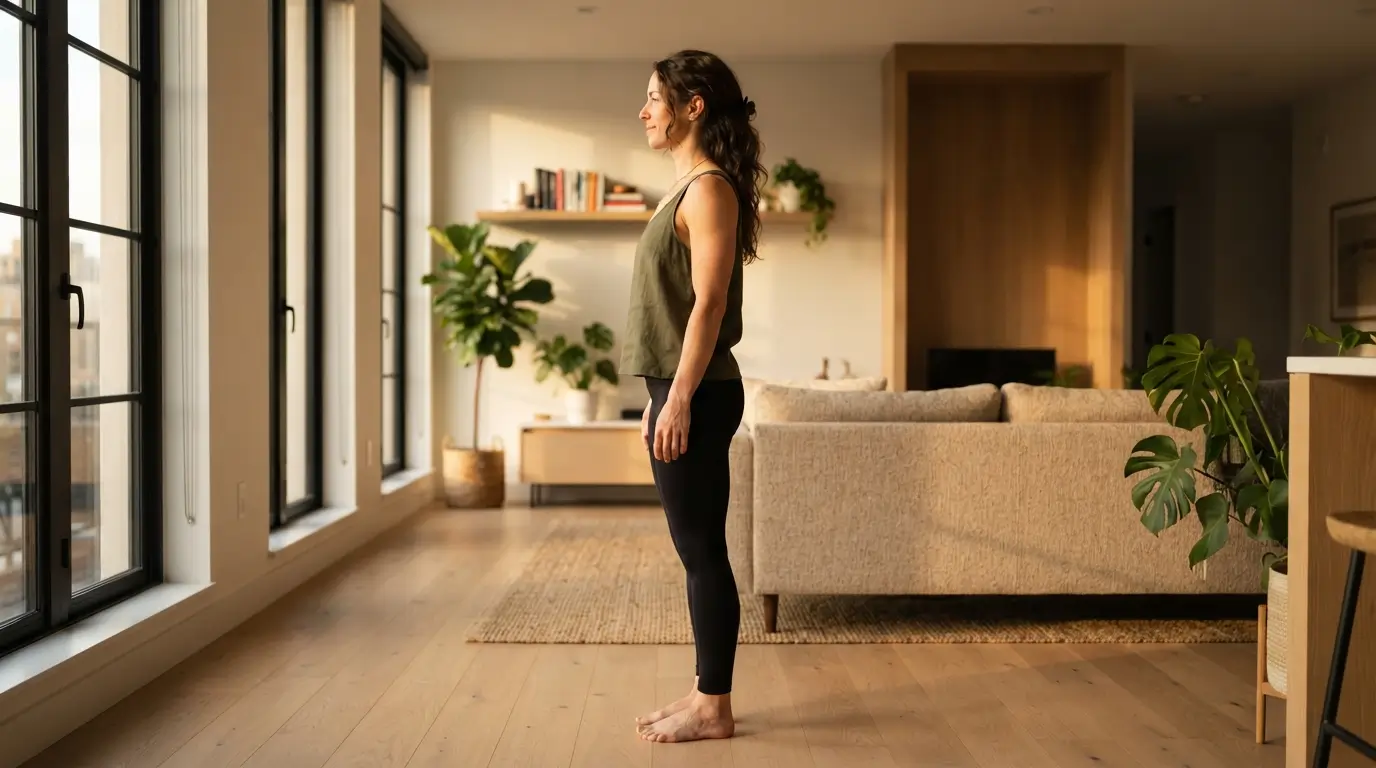
Tight hips create a ripple effect across your entire skeleton, disrupting your natural posture from your ankles to your neck. When your hip flexors lock up in a shortened position, your body experiences a neurological reaction called reciprocal inhibition. In simple terms, when the muscles on the front of your hips stay constantly tense, the opposing muscles in your glutes shut down and become weak. This muscle imbalance forces your hamstrings and lower back to take over jobs they were never built to handle.
Consistently practicing easy stretching routines for tight hip flexors helps re-establish proper communication between your hip joints and your brain. As your hip flexors regain their resting length, your glutes can finally activate during basic daily tasks like walking up stairs, carrying groceries, or running. You will notice yourself standing taller naturally without having to force your shoulder blades together. Relieving hip tension changes how you carry your entire body weight, which protects your knees and spinal discs from chronic wear.
Phase 4: Strengthening Glutes to Keep Hips Open
Stretching tight muscles without strengthening their opposing partners is like opening a door and leaving the latch loose. The hips will simply tighten right back up within a few hours to protect the unstable joint. Adding simple glute bridges immediately after your stretching routine signals your body to maintain that newly acquired range of motion. Lie flat on your back, bend your knees with your feet flat on the floor, and drive through your heels to raise your hips until your body forms a straight line from knees to shoulders.
Squeeze your glutes firmly at the top of each bridge for two seconds before lowering back down slowly. Perform two sets of ten controlled repetitions without arching your lower spine. Pairing stretching with activation creates lasting structural changes rather than temporary relief. You do not need heavy gym weights for this step, just focused muscle control. Doing easy stretching routines for tight hip flexors paired with brief glute work is the secret to keeping your mobility gains for good.
Building a Five-Minute Daily Routine That Sticks
Consistency beats intensity every single day of the week when dealing with tight connective tissue. You do not need a thirty-minute workout block to make meaningful progress. Applying the concept of habit stacking allows you to attach these stretches to tasks you already do without friction. For instance, drop into a half-kneeling stretch while waiting for your morning coffee to brew, or spend three minutes on your floor mat right before sitting down at your desk.
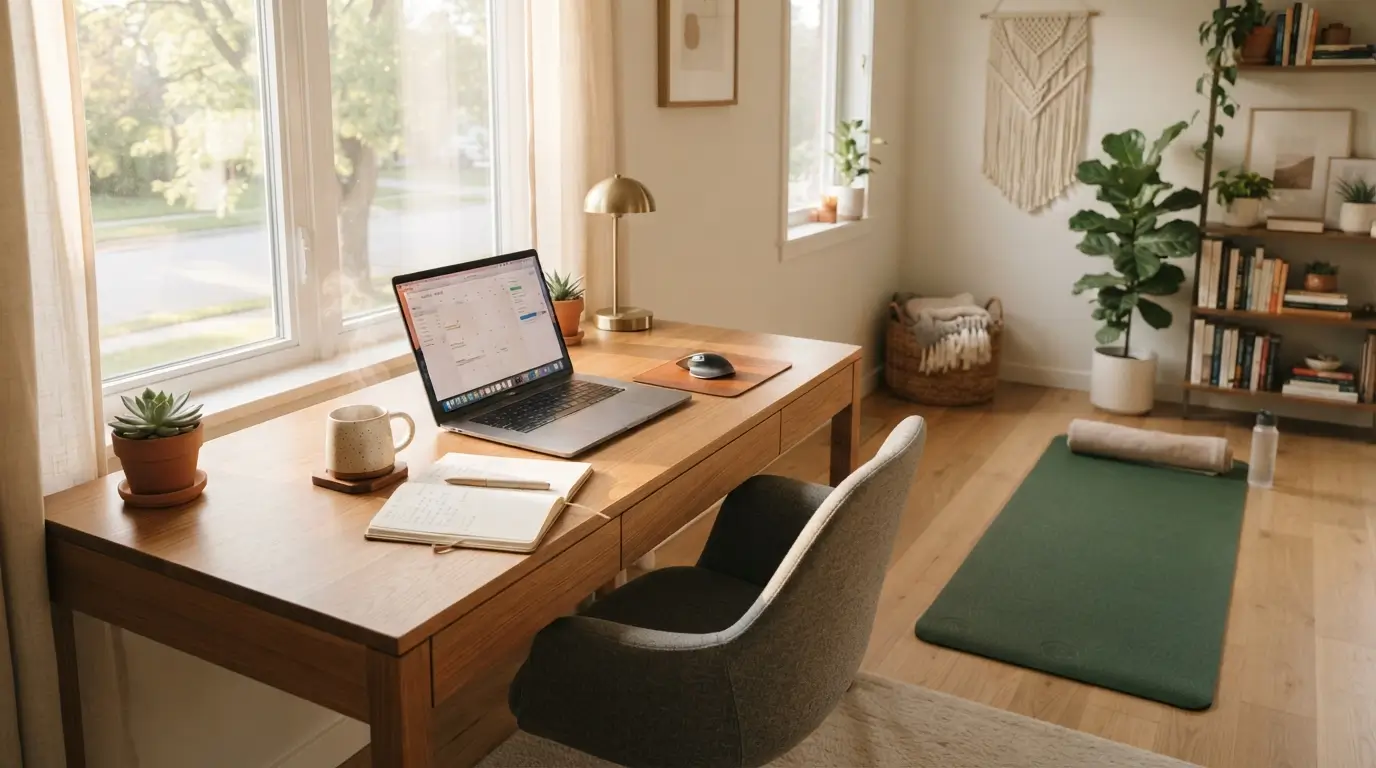
Keep your gear visible and accessible so friction stays near zero. Keeping a high-density foam mat rolled out right next to your workspace serves as an automatic physical reminder to move. Set a silent reminder on your phone to step away from your desk every ninety minutes. Even a single five-minute round during your lunch break will prevent the afternoon hip stiffness that leaves you groaning when you stand up. Small, repeated inputs create permanent flexibility over time.
Frequently Asked Questions
How often should I practice easy stretching routines for tight hip flexors?
Practice these gentle stretches once or twice every day for the best results. Short, consistent daily sessions work far better than doing a single long stretching workout on the weekend. Aim for five to ten minutes each morning or right after finishing your workday to keep your hips open and loose.
Why do my hips feel sore after stretching them?
Soreness usually happens when you force a stretch too aggressively or arch your lower back instead of tucking your pelvis. Hip flexors respond best to gentle, consistent tension rather than extreme pulls. Back off the intensity, focus on slow breathing, and make sure you squeeze your glute to protect the joint.
Can tight hip flexors cause chronic lower back aches?
Yes, tight hip flexors pull directly on your lumbar spine and tilt your pelvis forward, creating excessive curvature in your lower back. This constant mechanical pull compresses spinal discs and strains lower back muscles. Relieving tension in the front of your hips directly eases that pressure off your spine.
Is it better to stretch tight hips in the morning or evening?
Both times offer distinct benefits, so choose whichever fits your schedule consistently. Morning stretches wake up stiff joints after sleeping in a curled position, while evening stretches undo the tension accumulated from sitting all day. If possible, a quick two-minute session at both ends of the day works wonders.
Do I need special equipment to stretch my hip flexors effectively?
No special equipment is required to loosen your hip flexors. A simple carpeted floor or a cushioned yoga mat is plenty to protect your kneeling knee. You can also use household items like a sturdy couch, a rolled towel, or a standard wall to deepen your stretches comfortably.
Conclusion
Tight hips do not have to dictate how comfortable you feel moving through your day. Committing just five minutes to these simple stretches will restore your natural posture, protect your back, and make standing up effortless. Which of these stretches are you going to try first today?


One comment on “Easy Stretching Routines for Tight Hip Flexors 2026”